Cumhuriyet Mh. Büşra Sk. No: 18/20 (Ozan Plaza) Süleymanpaşa/TEKİRDAĞ


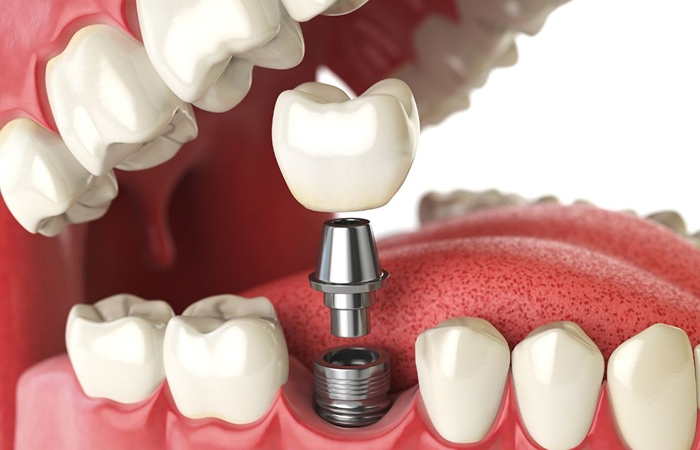
Bredent (Titanium) Implant
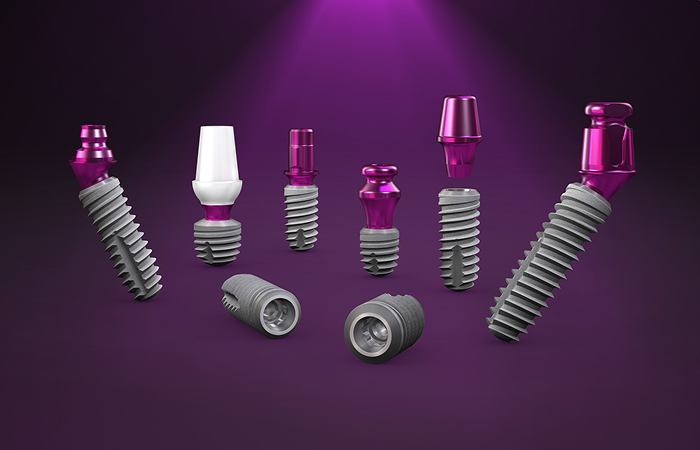
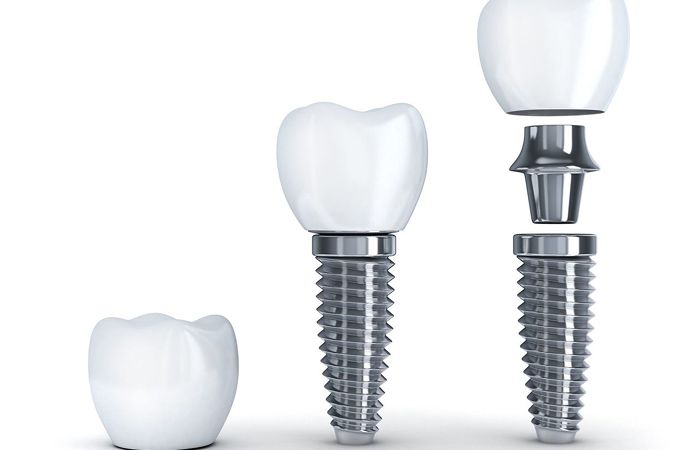
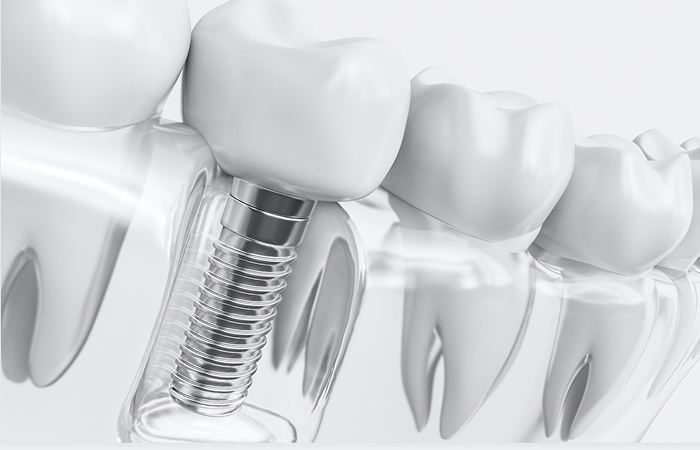
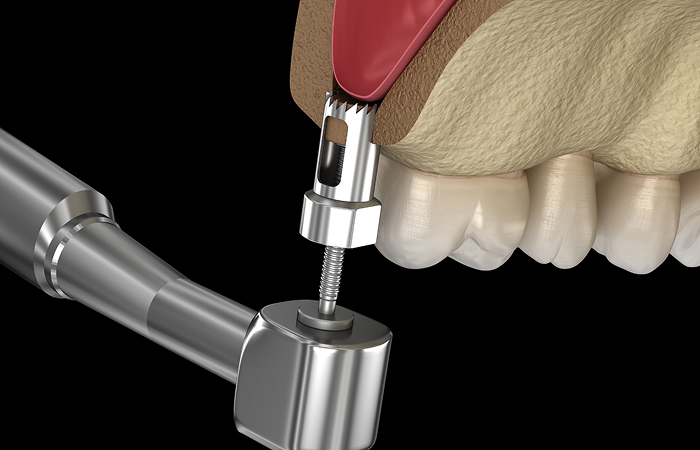
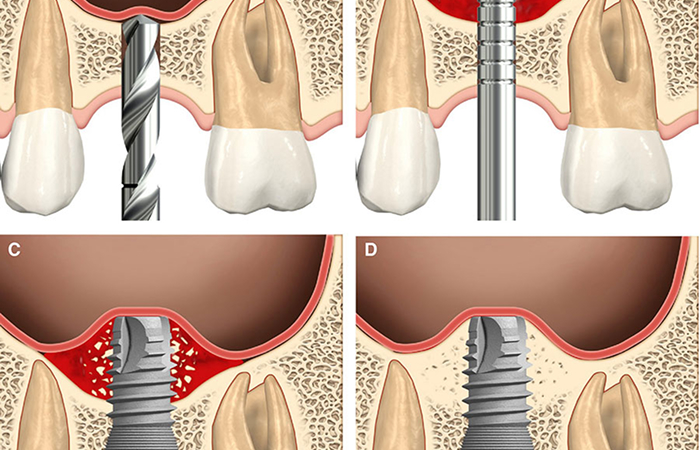
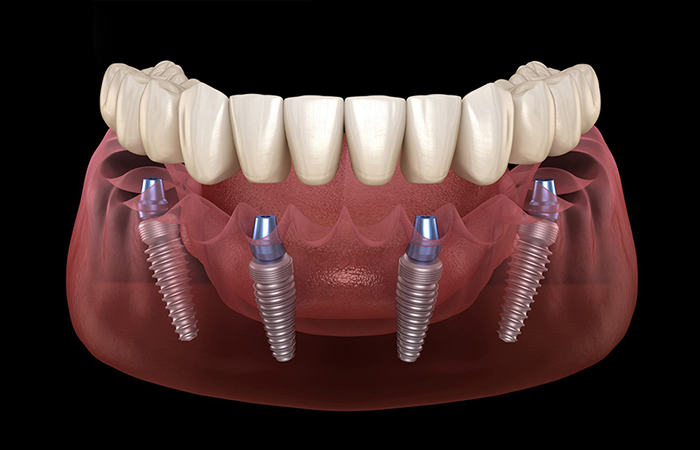
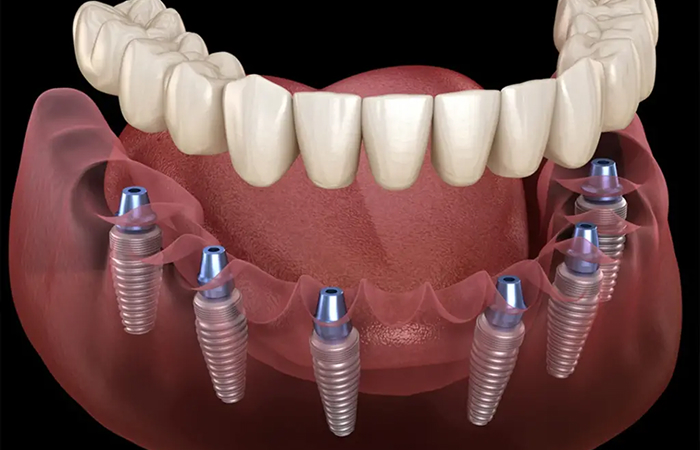
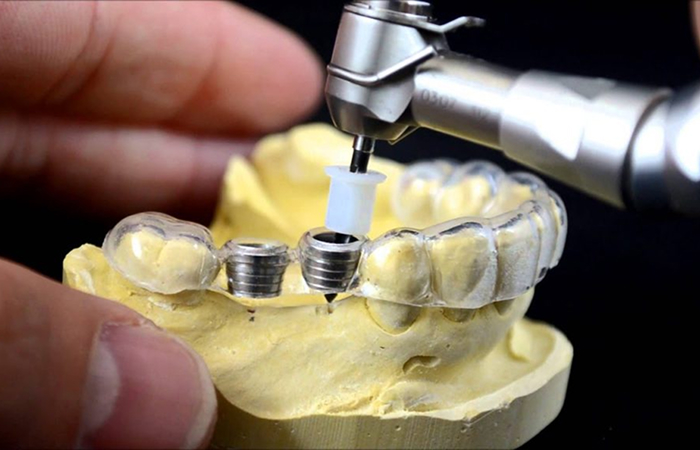
Bredent titanium implants are implant systems that stand out for their reliability and long-term success in the treatment of missing teeth. Made from highly biocompatible titanium material, these implants aim to achieve strong integration with the jawbone and mimic natural tooth functions. They are frequently preferred in treatments where both aesthetic and functional expectations are considered. The procedure is mostly performed in a clinical setting under local anesthesia or sedation, and in cases requiring advanced surgery, it can also be carried out under general anesthesia in an operating room.
What is a Titanium Implant?
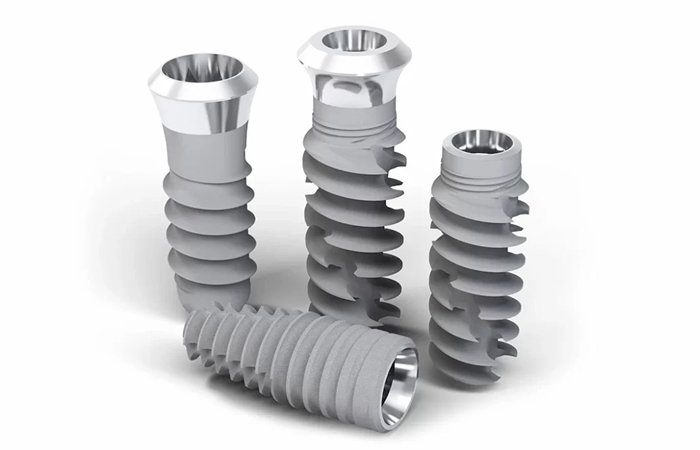
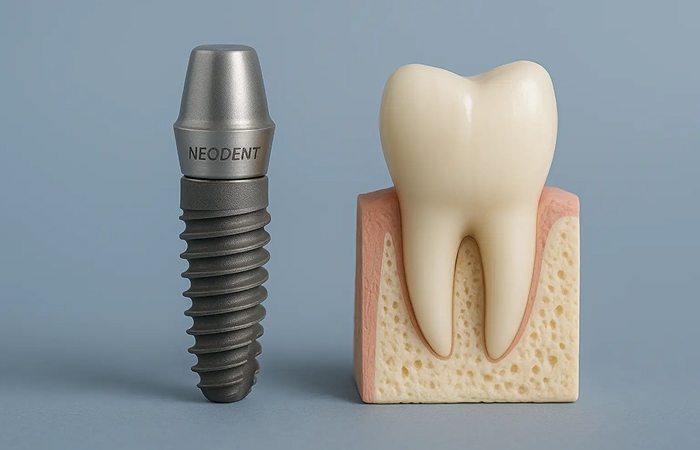
Titanium implants are artificial roots made from pure titanium or titanium alloys that serve as tooth roots. Their biological compatibility with bone tissue supports the adhesion of bone cells to the implant surface. This feature ensures that the implant functions securely and durably within the jawbone.
In which cases are Bredent titanium implants preferred?
They are preferred in cases of single-tooth gaps, multiple tooth loss, and completely edentulous patients. They are also safely used in situations where restoring chewing function is a priority and in treatments where prosthetic restorations require a strong foundation.
Precautions Before Bredent Titanium Implant Treatment
Before the treatment, the patient's overall health, chronic diseases, and regularly used medications should be thoroughly evaluated. The suitability of the jawbone for the implant should be analyzed using radiographic imaging methods. Ensuring oral hygiene, brushing the teeth, and using antiseptic mouthwash before the procedure help reduce the risk of infection.
Precautions After Bredent Titanium Implant Treatment
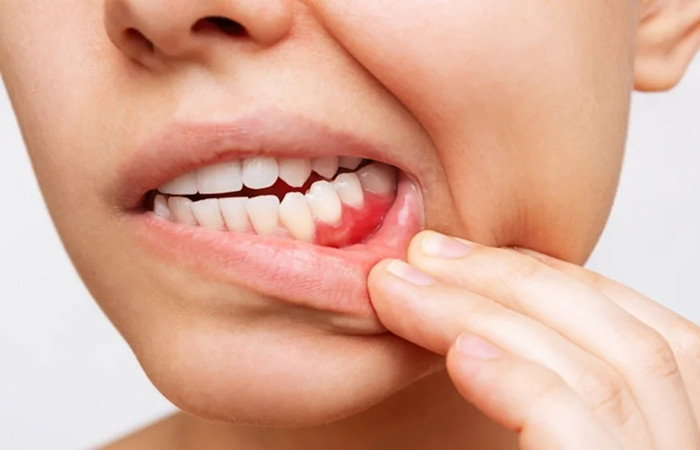
After the implant procedure, the implant area should be protected during the first 24 hours, and hot foods and drinks should be avoided. Smoking and alcohol consumption are not recommended as they may negatively affect the healing process. Medications prescribed by the dentist should be taken regularly, and oral hygiene should be performed carefully with gentle movements. Attending follow-up appointments without interruption is important for the long-term success of the implant.