Cumhuriyet Mh. Büşra Sk. No: 18/20 (Ozan Plaza) Süleymanpaşa/TEKİRDAĞ


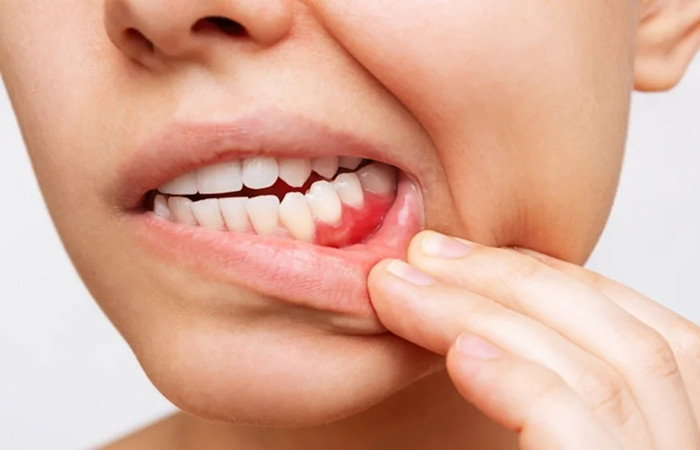
Cyst Operation
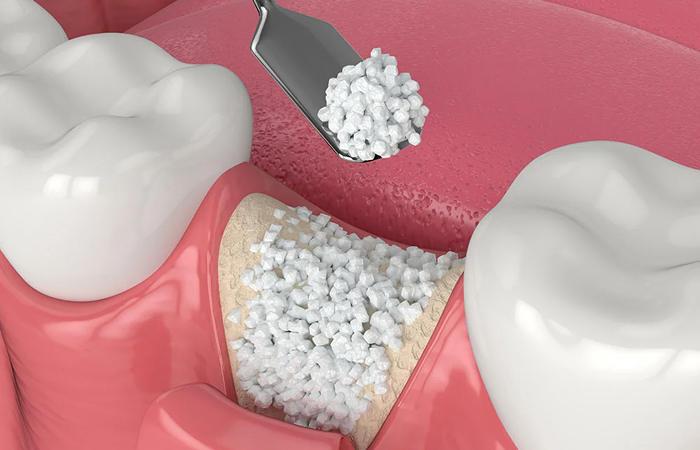
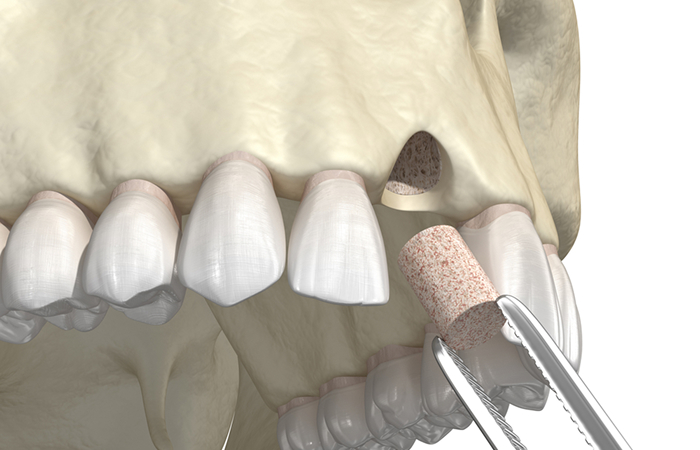
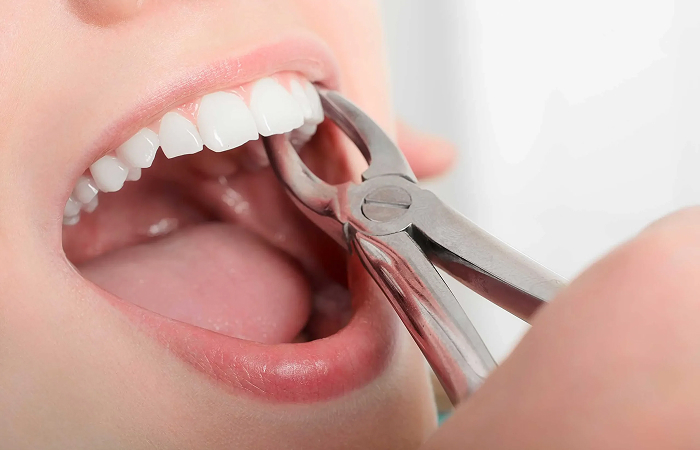
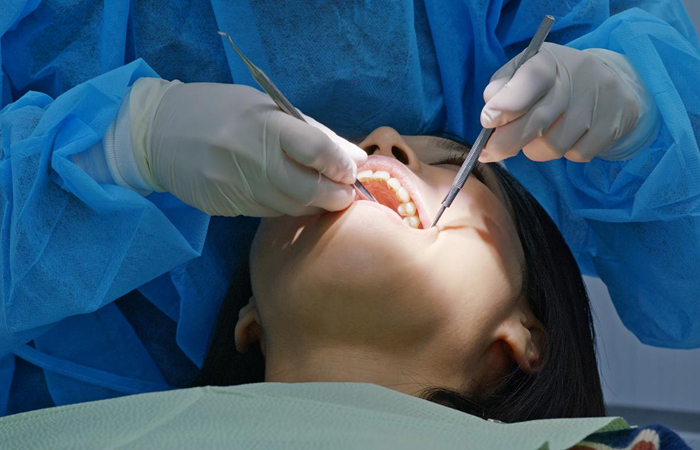
Cysts occurring in the oral, jaw, and facial regions are pathological formations that often progress without symptoms and may cause damage to the surrounding bone tissue over time. Cyst surgery is performed to surgically remove these formations and to preserve the health of the affected tissues. While cysts detected at an early stage can be treated with more limited surgical interventions, advanced cases may require more extensive surgical procedures. The operation is usually performed in a clinical setting under local anesthesia or sedation, and in necessary cases, it can also be carried out under general anesthesia in an operating room.
What is a cyst?
Cysts are pathological cavities filled with fluid or semi-fluid content and surrounded by a capsule. They most commonly occur due to impacted teeth, infections, or developmental causes. As they grow, they may lead to bone resorption in the jaw, displacement of teeth, and an increased risk of infection.
In which cases is cyst surgery performed?
Surgical intervention is required for cysts that are detected in radiographic examinations, show a tendency to grow, pose a risk of damaging surrounding tissues, or cause infection. Additionally, surgery is preferred in the treatment of cysts that lead to tooth loss, pain, or swelling.
Things to consider before a cyst surgery
The patient’s general health status, existing systemic diseases, and regularly used medications should be evaluated in detail before the operation. The size and location of the cyst should be analyzed using radiographic and, when necessary, tomographic imaging methods. Ensuring proper oral hygiene, brushing the teeth, and using an antiseptic mouthwash reduce the risk of infection.
Things to consider after a cyst surgery
During the first 24 hours after the operation, the surgical area should be protected, and hot foods and beverages should be avoided. Smoking and alcohol consumption are not recommended, as they may negatively affect the healing process. Medications prescribed by the physician should be taken regularly, and proper oral hygiene should be maintained. If sutures were placed during the surgery, they are usually removed within 7–10 days. Attending follow-up appointments is important for monitoring the healing process properly.