What Is Bruxism?
Bruxism is a condition that refers to the habit of clenching or grinding the teeth. Although it usually occurs during sleep, some individuals may also perform this action during daytime hours. This disorder causes individuals to overuse their jaw muscles unconsciously and can result in various discomforts. The prevalence of bruxism varies among different age groups. According to studies, bruxism can be observed in approximately 8–30% of adults, while this rate is around 14% in children.
The symptoms of bruxism usually manifest as physical complaints such as jaw pain, headaches, and tooth wear. Individuals may particularly complain of tension and fatigue in the jaw muscles when they wake up in the morning. In addition, this condition can negatively affect the structure of the teeth, leading to dental diseases and temporomandibular joint problems. Another symptom associated with bruxism is the presence of sores and sensitivity in the mouth upon waking.
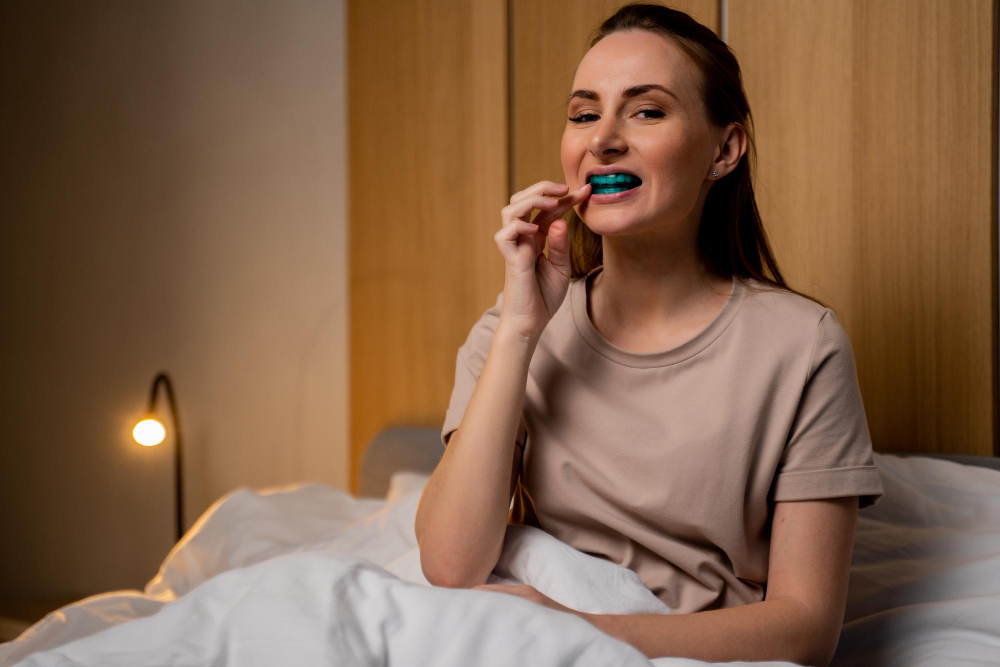
Bruxism usually occurs as a result of psychological factors such as stress, anxiety, or sleep disorders. In some patients, this condition may also be triggered by irregular or improper alignment of the teeth. In such cases, dentists often recommend the use of a night guard. A night guard prevents the teeth from grinding against each other during bruxism, thereby helping to protect the jaw muscles. Additionally, for some patients, relaxing the jaw muscles with masseter botox may be an effective solution.
Symptoms of Jaw Clenching
Jaw clenching, medically known as bruxism, is a condition commonly observed in many individuals. One of the main symptoms of bruxism is tooth wear. Continuous clenching of the teeth can, over time, lead to wear on the tooth surfaces and increase the risk of tooth decay. This condition becomes more pronounced especially in the back teeth, negatively affecting overall dental health.
Another important symptom is jaw pain. Individuals with bruxism often experience tension and pain in the jaw muscles. This pain is usually felt more intensely in the morning and may persist throughout the day. Additionally, it can restrict jaw movements and cause discomfort in daily life. Headaches are also among these symptoms. Functional disorders and teeth clenching habits can trigger headaches and may even be associated with more serious conditions such as migraines.
Other physical symptoms associated with jaw clenching include muscle stiffness in the facial area and ear pain. Over time, continuous pressure on the jaw muscles may lead to changes in facial shape. Additionally, clenching the teeth during sleep can disrupt sleep quality and cause feelings of fatigue. Therefore, bruxism is a condition that is not only physiological but also psychologically impactful. When these symptoms are noticed, consulting a dentist can be beneficial. Among the various treatment options are the use of a night guard as well as methods such as masseter botox. Each of these approaches can offer effective solutions for managing the symptoms of bruxism.
Causes of Bruxism and Jaw Clenching
Bruxism refers to the condition in which individuals consciously or unconsciously clench or grind their teeth. This condition most commonly occurs at night and, since it appears during sleep, may require the use of a night guard. Among the primary causes of bruxism are stress, anxiety, sleep disorders, and various physiological factors. Stress plays a significant role in how individuals cope with mental and emotional burdens, and at this stage, bruxism may emerge as a response mechanism.
Situations such as intense work pressure or personal problems can trigger the jaw muscles and lead to the development of teeth clenching habits. Anxiety is another condition that often develops in relation to stress and can increase bruxism. Social anxieties or uncertainties in life may cause some individuals to clench their teeth. Additionally, sleep disorders are another significant factor in bruxism. Sleep apnea or other sleep-related disorders can negatively affect sleep quality and trigger bruxism.
Physiological factors also include the contraction of the bilateral jaw muscles. The masseter muscle, in particular, becomes excessively activated during bruxism, which can cause the jaw to feel tense. This type of muscle tension may, over time, combine with other physiological issues such as headaches and temporomandibular joint problems. As a result, bruxism appears as a combination of various psychological and physiological factors, and it is important to consider these factors when selecting an appropriate treatment method.
Diagnosis of Bruxism and Jaw Clenching
Bruxism is a condition defined as the involuntary grinding of the teeth against each other or the repetitive performance of chewing movements. Since the habit of jaw clenching most often occurs during sleep, it can be difficult to notice. Therefore, the diagnosis of bruxism is carried out by specialist physicians through a comprehensive examination and evaluation process.
First, the patient’s anamnesis, in other words medical history, is taken. The patient’s symptoms such as jaw pain, headaches, and tooth wear are questioned in detail. The patient’s sleep habits, stress level, and daily habits are also important. In particular, it is examined whether stress is a contributing factor to bruxism. During the physical examination, the physician evaluates the tension in the jaw muscles and the size of the masseter muscle, which is one of the main chewing muscles. The condition of these muscles is of great importance for treatment methods such as masseter botulinum toxin (botox) applications.
If necessary, X-rays or other imaging methods may be used to detect tooth wear. Wear and fractures on the teeth indirectly indicate the presence of bruxism. In addition, various assessment tests can be applied to determine the habit of teeth clenching. At this stage, treatment options such as the use of a night guard may also be evaluated. In conclusion, the diagnosis of bruxism is made based on both physical examination findings and information obtained from the patient. A meticulous diagnostic process is of great importance in order to determine appropriate treatment methods.
Benefits and Use of Night Guard
Bruxism is the involuntary clenching of the teeth or grinding of the jaw that occurs during the night or day. This common condition can cause damage to the teeth, jaw joints, and surrounding muscles in many individuals. A night guard is an effective method for managing this condition and alleviating its symptoms.
One of the most important benefits of a night guard is that it helps prevent damage to the teeth and jaw joints. Individuals with bruxism may be exposed to strong pressure during sleep, which can lead to tooth wear and gum problems. A night guard distributes this pressure by creating a protective barrier between the teeth, thereby helping to protect them.
A night guard is usually custom-made by a dentist after taking precise measurements. Its use is quite simple; the individual wears the guard before going to sleep and sleeps with it on. Since the night guard is made from suitable materials, it can be used comfortably and also allows the jaw muscles to relax. As a result, a feeling of relief is felt upon waking in the morning, especially in the masseter muscles.
As for who a night guard is suitable for, anyone experiencing bruxism can benefit from this treatment option. However, it is important for individuals to consult with a dentist, as this is critical for making an accurate diagnosis and determining the most appropriate treatment method. A night guard can be used together with masseter botulinum toxin injections, another effective solution for teeth clenching. This holistic approach offers more effective options for managing bruxism.
What Is Masseter Botox and How Is It Applied?
Masseter botox is an aesthetic procedure that helps relax the jaw muscles. It is frequently preferred in the treatment of conditions such as bruxism and teeth clenching (clenching). This treatment aims to reduce or eliminate the tension caused by the overuse of the masseter muscles. Botox is performed by injecting a protein called botulinum toxin into the muscles. This procedure temporarily weakens the muscles, thereby alleviating the discomfort caused by bruxism.
The application of masseter botox is generally a quick and simple procedure. Before the treatment, the doctor examines the patient and gathers information about the condition of the jaw muscles. Then, botox is injected into the predetermined areas. This procedure is usually performed quickly without the need for local anesthesia. The application takes approximately 10–15 minutes, and patients can return to their daily activities immediately.
The effects of the procedure usually become noticeable within 3–7 days and last for approximately 3–6 months. However, this duration can be extended with regular sessions. Some possible side effects of masseter botox include headache, tenderness, and mild swelling at the injection site. In rare cases, excessive muscle weakness or asymmetry may also occur. Therefore, it is important to have a detailed consultation with a specialist physician before undergoing this procedure.
Comparison of Night Guard and Masseter Botox
Bruxism generally refers to the clenching or grinding of the teeth during the night and can lead to serious problems in many individuals. Teeth clenching can cause issues such as jaw pain, headaches, and tooth wear. In the treatment of bruxism, two popular methods stand out: the night guard and masseter botox. Both methods can be effective in managing bruxism; however, they differ in terms of their mechanisms and outcomes.
A night guard is defined as an appliance that protects the teeth. By preventing the teeth from coming into contact with each other, it reduces grinding and clenching movements. It is usually custom-made and designed to provide a comfortable sleeping experience. The greatest advantage of a night guard is that it is a non-invasive procedure with limited side effects. However, since it requires continuous use, it may cause discomfort for some individuals.
Masseter botox is another approach used in the treatment of bruxism. This method is performed by injecting botulinum toxin into the chewing muscles (masseter muscle). Botox temporarily limits muscle activity, reducing muscle stiffness and consequently decreasing teeth clenching. The advantages of masseter botox include a quick application process and the potential to provide rapid relief. However, this method may also have certain side effects, and its effect typically lasts for a few months.
In conclusion, deciding which treatment methods are more effective in the management of bruxism depends on the individual’s needs, lifestyle, and the severity of the condition. Both the night guard and masseter botox aim to manage bruxism, each with its own advantages and disadvantages. It is important to consult a dentist or a specialist to determine the most suitable treatment option for your personal situation.
Choosing the Treatment Method
Bruxism and teeth clenching are common dental problems that affect individuals’ quality of life. Choosing the most appropriate treatment method to cope with these conditions depends on various factors. First, the severity and duration of the symptoms experienced by the individual should be evaluated. If the symptoms of bruxism or jaw clenching are mild, simple methods that can be applied at home may be recommended. However, in more severe cases, seeking professional support is important.
A night guard is one of the most common methods for managing bruxism and jaw clenching. Designed for nighttime use, this device helps reduce contact between the teeth, allowing the jaw muscles to relax. On the other hand, masseter botox can alleviate teeth clenching and bruxism symptoms by reducing excessive tension in the chewing muscles. Determining which treatment method is more suitable depends on the individual’s specific needs.
A specialist dentist or maxillofacial surgeon plays a critical role at this stage. After a thorough evaluation, the most appropriate treatment plan can be created by taking the patient’s condition and individual characteristics into account. When choosing a treatment, the patient’s lifestyle, general health, and personal preferences should also be considered. Therefore, rather than making a decision on your own, consulting a healthcare professional is always a healthier approach.
In conclusion, the choice of treatment method for bruxism and jaw clenching should be made based on factors specific to the individual and in light of expert opinion. Making a well-informed decision can help achieve better long-term outcomes.
Bruxism Prevention and Management Strategies
Managing and preventing bruxism is an important step toward improving individuals’ quality of life. In this context, home-based strategies can help reduce stress and control jaw clenching habits. First of all, it is necessary to focus on stress management techniques. Relaxation methods such as meditation, deep breathing, and yoga are effective ways to improve mental well-being. These types of activities can contribute to the prevention of bruxism by lowering daily stress levels.
Relaxation exercises can also be effective in reducing bruxism. Stretching exercises that specifically target the jaw muscles can help relieve muscle tension. Masseter botox treatments may also be considered; however, these options should be evaluated based on a doctor’s recommendation. In addition, protective dental appliances such as night guards recommended by a dentist can be used to prevent the harmful effects of teeth clenching habits. By protecting the jaw muscles throughout the night, both the risk of tooth wear and the pressure on the jaw joint can be reduced.
In addition, certain lifestyle changes can also be beneficial in controlling bruxism. For example, establishing a healthy sleep routine, limiting alcohol and caffeine consumption, and engaging in regular exercise can help prevent the development of this habit. At the same time, it is very important for individuals to review their chewing habits and avoid unnecessary teeth clenching or grinding. When all these strategies are used together, effective results can be achieved in the prevention and management of bruxism.